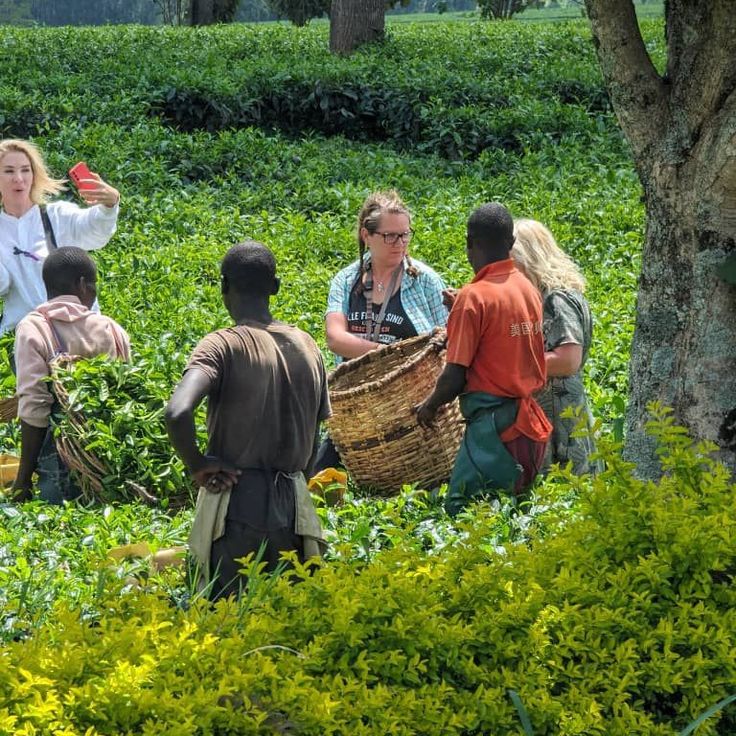

Nourishing Our Future
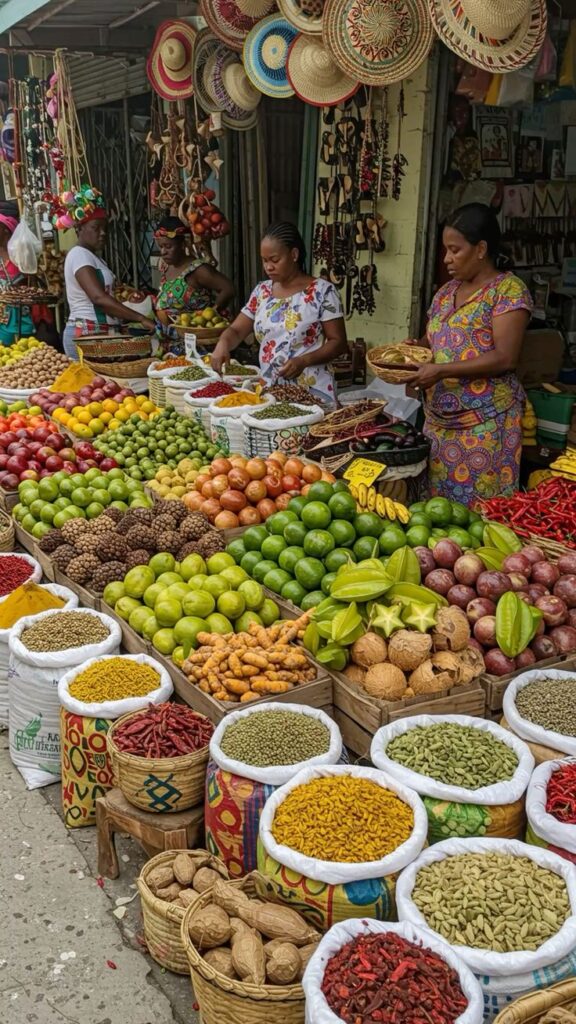
At GEAIFEC S.A., we believe in a world where communities thrive, and that includes ensuring everyone has access to healthy, culturally appropriate food produced in an ecologically sound and sustainable manner. This isn’t just about food security – it’s about food sovereignty. Food sovereignty is a powerful concept that places the control of food systems firmly in the hands of those who produce, distribute, and consume food, rather than corporate entities or distant governments. It’s about empowering local communities, protecting traditional knowledge, and fostering truly sustainable agricultural practices.
What is Food Sovereignty?
Food sovereignty, a term coined by La Via Campesina in 1996, goes beyond simply having enough to eat. It’s the right of people to have healthy and culturally appropriate food produced through sustainable methods, and their right to define their own food and agriculture systems. This means:
- Prioritising Local Food Systems: Supporting local farmers, markets, and food networks reduces reliance on global supply chains and strengthens community economies.
- Valuing Food Producers: Ensuring fair wages, safe working conditions, and respect for farmers, fishers, pastoralists, and indigenous food producers.
- Local Control: Communities have the power to make decisions about how their food is grown, processed, and distributed.
- Ecological Sustainability: Promoting practices that protect biodiversity, conserve natural resources, and mitigate climate change.
- Traditional Knowledge: Recognising and valuing the ancestral wisdom and practices of indigenous peoples and small-scale farmers.
- Culturally Appropriate Food: Ensuring access to foods that are relevant and meaningful to local cultures and traditions.
Why is Food Sovereignty Important?
The current global food system often favours large-scale industrial agriculture, which can lead to:
- Environmental Degradation: Monoculture farming, excessive pesticide use, and long-distance transportation contribute to soil depletion, water pollution, and greenhouse gas emissions.
- Economic Inequality: Small-scale farmers often struggle to compete with large corporations, leading to displacement and poverty.
- Loss of Biodiversity: Industrial agriculture prioritises a limited number of crops, leading to a decline in genetic diversity and increased vulnerability to pests and diseases.
- Food Insecurity: Despite global food surpluses, many communities still face hunger and malnutrition due to issues of access and distribution.
Food sovereignty offers a transformative alternative. It builds resilience against climate change and economic shocks by diversifying food sources and strengthening local economies. It promotes healthier diets by emphasising fresh, local, and minimally processed foods. And crucially, it fosters social justice by giving a voice to marginalised communities and ensuring equitable access to nourishing food.
GEAIFEC S.A. and Our Commitment to Sustainable Food Systems
At GEAIFEC S.A., while our core business might not be directly in farming, we recognise the interconnectedness of all systems that contribute to community well-being. Our commitment to sustainable development and empowering communities aligns perfectly with the principles of food sovereignty. We believe that a strong, self-sufficient community has control over its food sources.
We understand the challenges faced by local producers and are keen to explore how our expertise in [mention relevant GEAIFEC S.A. expertise, e.g., sustainable infrastructure, community development, technological solutions, logistics, ethical supply chains, environmental consulting – as I don’t have specific GEAIFEC S.A. information, I’ll use placeholders. Please replace them with actual examples.] can contribute to strengthening local food systems. This could involve:
- Supporting the development of sustainable agricultural infrastructure.
- Investing in community-led initiatives that promote local food production and distribution.
- Exploring technological solutions that enhance efficiency and sustainability for small-scale farmers.
- Facilitating partnerships that connect local producers with wider markets.
- Providing environmental consulting to help farmers adopt eco-friendly practices.
- Developing ethical supply chain models that prioritise local sourcing.
The Path Forward:
Achieving food sovereignty requires a collective effort. It means supporting policies that protect small-scale farmers, investing in local food initiatives, and educating ourselves and our communities about the importance of where our food comes from. It means choosing local, seasonal produce whenever possible, advocating for fair trade, and demanding transparency in our food systems.
By embracing food sovereignty, we can cultivate a future where everyone has the power to nourish themselves and their communities, fostering a more just, equitable, and sustainable world.
Conclusion:
Food sovereignty is more than just a concept; it’s a movement towards a healthier, more resilient, and equitable future. At GEAIFEC S.A., we are proud to advocate for principles that empower communities and contribute to the well-being of our planet. Let’s work together to build strong, localised food systems that truly nourish our future.