
The Power of Integrated Industrial Farms and Processing Units
Integrated Industrial Farms Processing Africa:
The global drive for sustainable development and food security requires a powerful, new model. This model integrates large-scale agriculture, livestock, and fisheries with dedicated, on-site transformation units. This strategy moves beyond basic commodity production to create robust, self-sustaining agro-industrial complexes. However, for regions like Africa, this concept—often called second-generation agriculture—offers more than just higher yields; it provides the blueprint for structural economic transformation, job creation, and export diversification.
From Farm to Fork: The Integrated Value Chain Model (Integrated Industrial Farms Processing Africa).
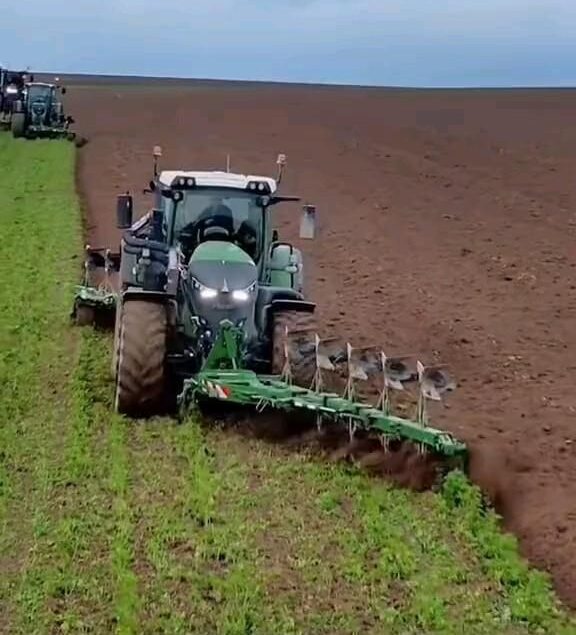
Integrated industrial farms and processing units are designed to capture value at every stage. They drastically reduce waste and maximize profitability.
Maximizing Efficiency and Reducing Loss
Traditional farming often suffers substantial post-harvest losses due to poor storage, infrastructure, and slow market access. Therefore, establishing a transformation unit next to the raw material source immediately mitigates this challenge. This unit could be a milling factory, a cannery, an abattoir, or a fish processing plant.
- Proximity: Short distances mean faster processing, preserving the quality and shelf-life of perishable goods.
- Scale: Large-scale production ensures a consistent, high-volume supply for the processing facility. This allows it to operate efficiently and achieve economies of scale.
- By-products: Waste from one operation becomes a valuable input for another. For example, crop residues can be used as livestock feed, and processing waste can be converted into bio-energy or organic fertilizer, promoting a true circular economy within the complex.
Enhancing Quality and Competitiveness
The integrated model enforces rigorous quality control from the moment a seed is planted or a fingerling is stocked. This control, guided by market demand, ensures that the final processed product meets all national and international standards.
Consequently, for African economies, this shift is critical. It supports the policy of import substitution by producing high-quality finished goods locally. Moreover, it opens up lucrative international markets for value-added exports, helping the continent move away from dependence on raw commodity sales.
GEAIFEC S.A.’s Vision: A Case Study in Integrated Growth
GEAIFEC S.A. understands that industrialization and value addition define the future of Africa’s agriculture. Their strategy aligns perfectly with the principles of integrated agro-industrial complexes.
GEAIFEC S.A. actively pursues the development of large-scale projects encompassing agriculture, livestock, and fisheries. They place a core emphasis on product transformation. GEAIFEC S.A. manages vast tracts of land. Furthermore, the company coordinates the entire value chain—from input supply and production to processing and marketing. Consequently, GEAIFEC S.A. positions itself as a key player driving this modern, second-generation agricultural revolution.
Their integrated approach often involves technical and financial partnerships to secure equipment and expertise. This approach is specifically designed to:
- Industrialize Rural Areas: Transform subsistence farming into a modern, profit-driven industry.
- Create Decent Employment: Generate high-value jobs across farming, processing, engineering, and logistics.
- Support National Strategy: Make direct contributions to national development goals focused on food security and economic diversification.
This commitment reflects a clear understanding: We realize true growth only when we transform raw materials into final, marketable goods right where we grow them.
The Economic and Social Impact on Africa
The proliferation of integrated industrial farms and processing centers is a formidable engine for socio-economic development across the continent.
Economic Transformation
By clustering production and processing, these complexes become hubs of economic activity. They attract investment, drive infrastructure development (roads, power, cold storage), and boost local economies through a vast network of suppliers and ancillary services. This integrated model is proven to significantly increase a country’s Manufacturing Value Added (MVA) from the agro-sector.
Sustainable Rural Development
The complexes inject stability into rural communities by providing consistent, well-paying employment opportunities, thereby helping to stem the tide of rural-urban migration. Moreover, by formalizing and modernizing the agricultural sector, they create essential linkages that benefit smaller surrounding farms. This offers smaller farmers assured markets and technical support.
Integrated industrial farms and processing units represent the next logical step in agricultural development. They are the realization of a vision where Africa not only feeds itself, but also takes its rightful place as a global exporter of high-quality, value-added food products. This is the path to robust food security and lasting prosperity.