
Powering Africa’s Industrial Future
Reliable, affordable energy remains the key to unlocking industrial growth across Africa. Traditional power sources often suffer from intermittency and high costs. Therefore, GEAIFEC S.A. adopts a comprehensive strategy. We integrate various renewable energy production units directly into our agro-industrial complexes. This approach ensures self-sufficiency, minimizes operational risks, and directly supports the continent’s transition to clean energy. This strategic diversification provides stable power for every aspect of our second-generation agriculture model.
The Green Advantage: Utilizing Agro-Industrial Waste
Biogas and Biomass production units are integral to our circular economy model. They transform agricultural and livestock waste into valuable energy sources.
Biogas and Biomass: Turning Waste into Watts
Industrial farms generate vast amounts of organic waste. This includes crop residues, animal manure, and processing by-products. Consequently, specialized anaerobic digesters convert this waste into methane-rich biogas. This biogas fuels generators for electricity and heat. Similarly, residual biomass serves as fuel for thermal energy.
- Waste Management: This system reduces waste volume significantly and mitigates pollution.
- Climate Action: Capturing methane prevents this potent greenhouse gas from entering the atmosphere.
- Biofertilizer: The digestate remaining after biogas production is a high-quality organic fertilizer. Hence, we complete the resource cycle, improving soil health on our farms.
Harnessing Africa’s Natural Resources
GEAIFEC’s energy portfolio extends beyond waste-to-energy solutions. We leverage Africa’s abundant natural resources—sun, water, and wind—to guarantee energy independence for our facilities.
Solar and Wind: Decentralized Power Solutions
Africa offers massive potential for solar and wind energy production. Our integrated industrial parks utilize these resources effectively.
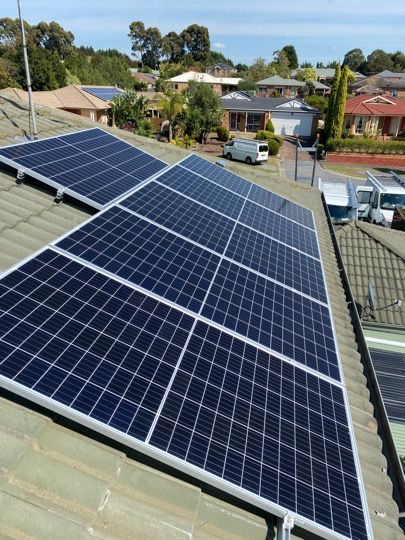
- Solar (Photovoltaic – PV): Large-scale solar farms provide clean power during daylight hours. This power is essential for running processing equipment and cold storage units.
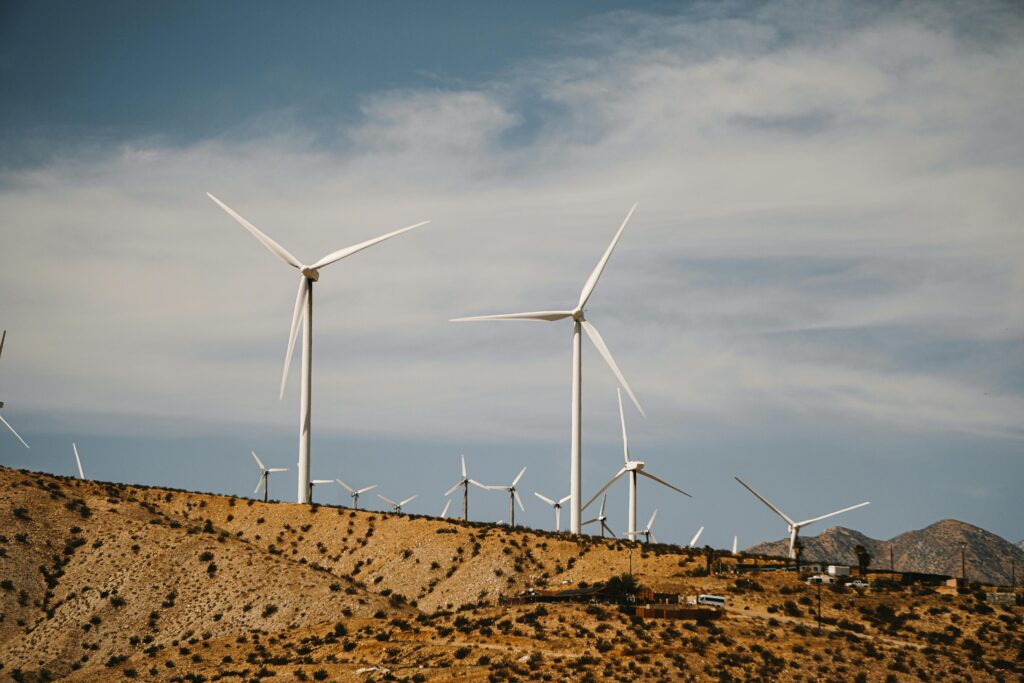
- Wind: We deploy wind energy in regions with favorable wind corridors. This diversifies our energy mix and balances the intermittency of solar power. Furthermore, these decentralized solutions enhance regional power stability and reduce dependence on often-strained national grids.
Hydroelectric Units: Consistent Base Load
Renewable Energy Industrial Units: Hydropower is the backbone of Cameroon’s national energy mix. Thus, GEAIFEC evaluates potential small-scale and pico-hydro facilities near water sources. These units offer reliable, dispatchable power. Hydroelectric units serve as a consistent energy base for continuous industrial operations. This stability is crucial for processing plants that must run 24/7.
GEAIFEC’s Commitment to Energy Independence and Growth
Integrating renewable energy units is not just an environmental choice. It is a fundamental economic pillar of GEAIFEC’s strategy for Africa’s development.
Driving Economic Resilience
Energy independence significantly cuts operational costs and protects projects from external price volatility. By securing reliable, low-cost power, GEAIFEC ensures its processed products remain competitive globally. This focus aligns perfectly with national strategies aimed at economic structural transformation and industrial growth. Therefore, stable energy supports the creation of sustainable manufacturing value-added (MVA).
Creating Sustainable Jobs
These energy projects generate specialized employment. They require engineers, technicians, and maintenance staff to operate complex power generation systems. In conclusion, GEAIFEC’s commitment to self-sufficient, clean energy reinforces its role. We lead the path toward industrialized, ecologically responsible, and economically powerful agro-industrial complexes across the continent. This is how we power prosperity.