
Advanced Development for Africa’s Forestry Industries
Advanced Wood Transformation Africa
The African continent holds immense forest resources, yet it remains a net importer of high-value wood products. This disparity presents a massive opportunity for economic structural transformation. At GEAIFEC S.A., we recognize that forestry, like agriculture, must shift from raw commodity export to sophisticated, high-value manufacturing. Our commitment is to drive Advanced Wood Transformation Africa, converting raw timber into durable, high-tech, and sustainable industrial products. This industrial strategy is vital for creating jobs, reducing carbon footprints, and securing Africa’s place in the global bioeconomy.
Moving Beyond Raw Log Export: The Value Addition Imperative
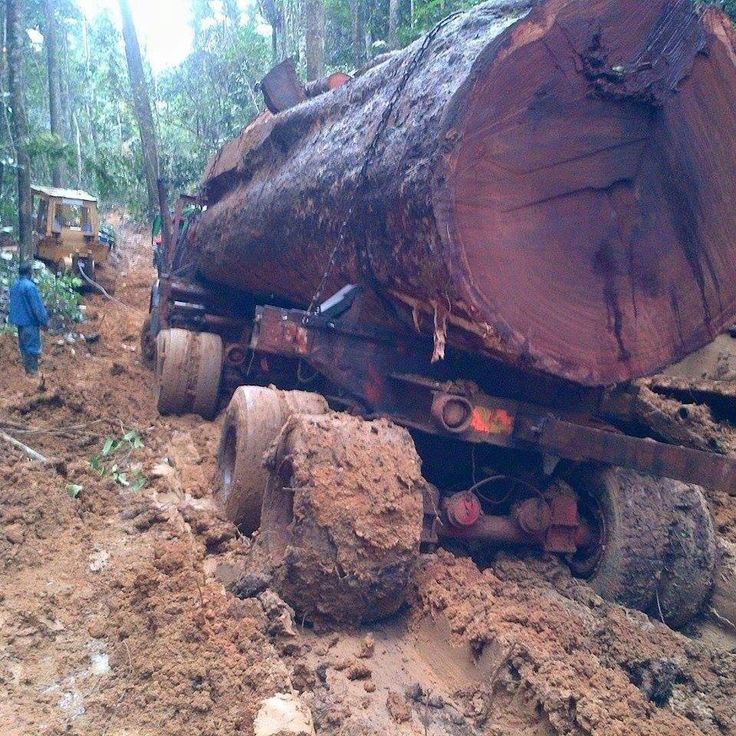
The export of raw logs represents a lost economic opportunity. When timber leaves the continent unprocessed, Africa exports jobs, skills, and potential wealth.
GEAIFEC’s strategy directly addresses this challenge. We establish modern, integrated processing facilities near sustainable forest sources. This approach enables us to capture value immediately at the point of harvest. Instead of simple sawmilling, we focus on producing secondary and tertiary wood products. This includes engineered wood products, prefabricated housing components, and high-quality furniture parts. As a result, we significantly increase the profitability of the resource and support industrial growth.
Mass Timber: Building Africa’s Future, Sustainably
Advanced wood transformation offers tangible solutions to two of Africa’s most pressing challenges: housing deficits and climate change mitigation.
Engineered wood products, such as Cross-Laminated Timber (CLT) and Glued-Laminated Timber (Glulam), are collectively known as Mass Timber. These materials offer incredible strength, flexibility, and thermal efficiency. When substituted for steel and concrete, mass timber actively stores carbon absorbed by the trees, turning buildings into carbon sinks. Moreover, fast-growing African wood species, particularly from sustainably managed plantations, can reach maturity much quickly than temperate species. Consequently, this gives the continent a competitive advantage in the global market for green building materials. By adopting mass timber technologies, we not only decarbonize construction but also meet the massive demand for urban and affordable housing units.
Job Creation and Rural Industrialization
The shift to advanced wood transformation is fundamentally a catalyst for social development. Unlike low-skill primary extraction, the establishment of sophisticated processing hubs creates a robust ecosystem of high-value jobs.
These industrial facilities require engineers, specialized technicians, machinery operators, quality control experts, and logistics managers. This growth transforms the economic landscape of rural communities. The forestry sector becomes a dependable source of formal, decent employment, reducing rural-to-urban migration and infusing stability into local economies. Therefore, GEAIFEC views investment in training and capacity building as essential. We must ensure local workforces possess the necessary skills to operate and manage these modern technologies effectively.
Our Commitment to a Circular and Sustainable Forest Economy
Sustainable forestry involves more than just planting and harvesting trees. It requires a systemic, long-term approach that ensures environmental health and community well-being.
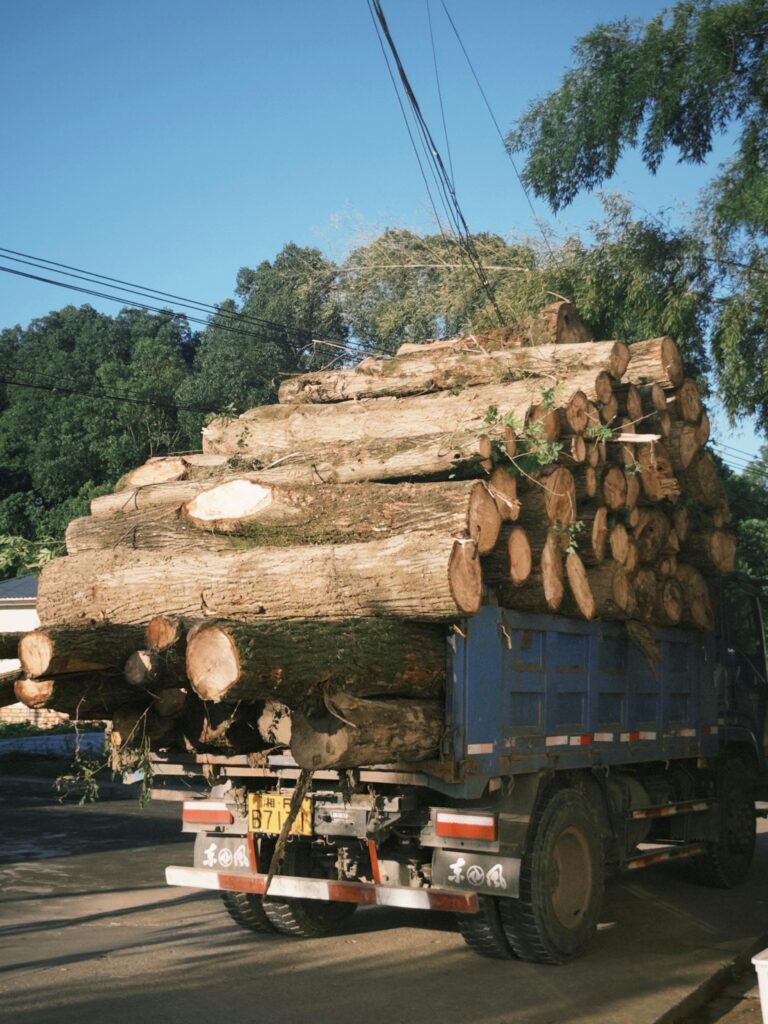
At GEAIFEC, we commit to certified, responsible forest management. We prioritise planting forests on degraded land over logging natural forests to protect biodiversity. We also integrate forestry by-products into our circular economy model, much like we do with our agro-industrial waste. For example, sawdust and wood residues can be transformed into biomass pellets to fuel our renewable energy units, completing the resource loop. In conclusion, by championing sustainable sourcing and advanced transformation technology, GEAIFEC ensures that our forestry operations are both profitable and ecologically responsible, powering a prosperous and green industrial future for Africa.