
50,000 Hectares of Sustainable Value
The 50,000-hectare Oil Palm Africa project is a cornerstone of GEAIFEC S.A.’s commitment to industrializing agriculture. Oil palm is one of the world’s most productive crops. Therefore, a project of this scale allows us to drive national self-sufficiency and secure a competitive position in global markets. This initiative moves far beyond crude oil production. Instead, it leverages our Integrated Industrial Farms model to capture the full economic value of the supply chain, ensuring sustainability is built into every hectare.
The Mandate: Vertical Integration and High-Value Outputs
For too long, African countries have imported refined palm products, even when growing the raw material domestically. This results in significant foreign exchange drainage. Consequently, the 50,000-hectare Oil Palm Africa strategy mandates complete vertical integration. Every oil palm cluster includes world-class processing infrastructure.
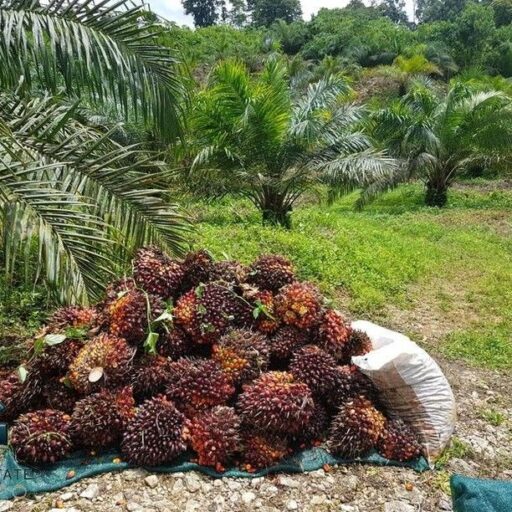
From Crude Oil to Industrial Input
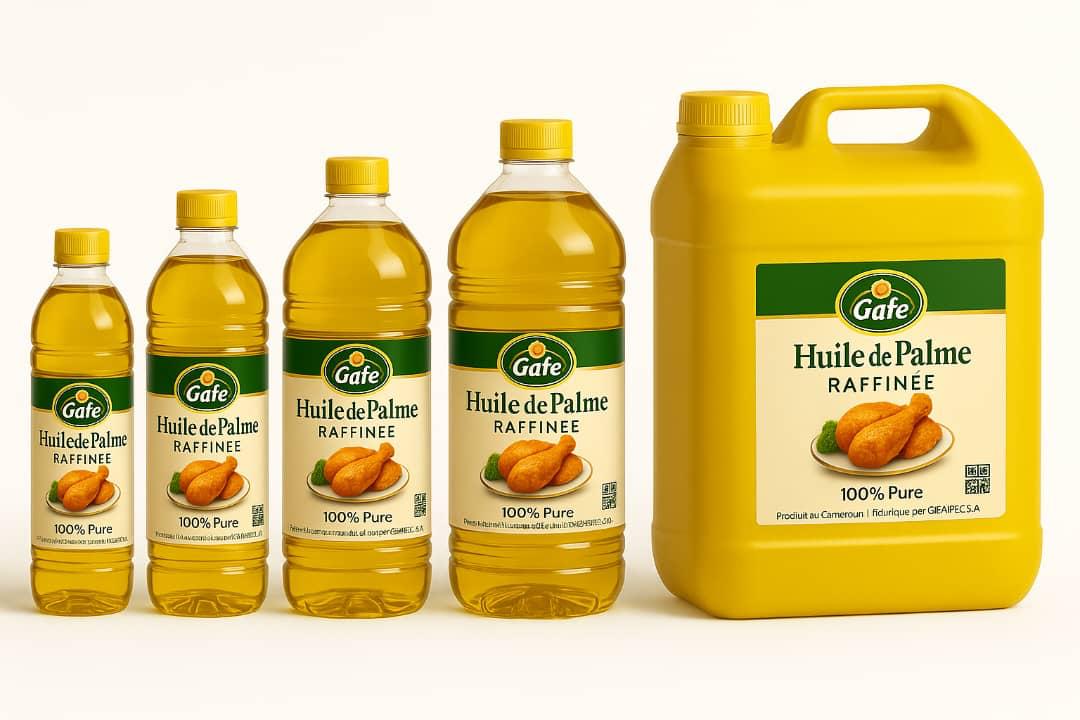
Our integrated processing units maximize the economic return on investment. They perform immediate refining and advanced fractionation on site. This process generates high-value products essential for multiple industries:
- Refined Edible Oils: For local consumption and premium export.
- Fractions (Stearin and Olein): Key components for specialized food applications.
- Oleochemicals: Basic ingredients for soaps, detergents, cosmetics, and industrial lubricants.
Thus, GEAIFEC transforms a single agricultural commodity into a diverse range of marketable industrial products.
Sustainability and Innovation at Scale
Oil palm cultivation has faced environmental scrutiny globally. However, GEAIFEC addresses these concerns head-on. Our 50,000-hectare Oil Palm Africa project is designed from the outset using sustainability as a core operational principle.
Zero-Waste Commitment via R&I
Our Research and Innovation (R&I) Centers are essential to this commitment. Specifically, they focus on converting all fibrous waste, empty fruit bunches (EFB), and palm kernel shells (PKS) into valuable resources.
- Bio-Energy: Residues are converted into biomass energy, powering the processing mills and reducing the need for fossil fuels. Furthermore, this contributes to a lower carbon footprint.
- Soil Health: Wastewater is treated and repurposed for irrigation. EFB is composted to return vital nutrients and organic matter to the soil, ensuring long-term fertility.
- High-Yield Cultivars: R&I teams deploy advanced biotechnology to propagate superior, high-yield palm varieties. This ensures we maximize output from the existing planted area, eliminating the need for further land expansion.
Economic and Social Impact
The size of this 50,000-hectare Oil Palm Africa project guarantees a powerful and lasting economic stimulus. It is a critical component of our strategy for industrializing rural areas.
This project creates two distinct types of employment:
- Agricultural Jobs: Stable, specialized roles in plantation management, harvesting, and field maintenance.
- Industrial Jobs: Technical and engineering roles within the refining and oleochemical plants.
In conclusion, this massive-scale project will displace the need for costly refined product imports. It will generate substantial export revenue from finished goods. Ultimately, the GEAIFEC Oil Palm project proves that Africa can lead the world in high-volume, high-value, and highly sustainable agro-industrial production.